
RIT's Advocacy and Leadership - Learn more
Many of you are well familiar with RIT’s programs, such as classes, tutoring, and case management. In this letter, we’d like to highlight some other areas of our work that we’ve been growing: Advocacy and Youth Leadership.
“Liveability”
With ongoing assaults from the federal administration towards immigrant communities, it’s been hard (and painful) to track all that is going on. To help make sense of it all, we’ve developed a framework that clusters these actions into 3 categories:
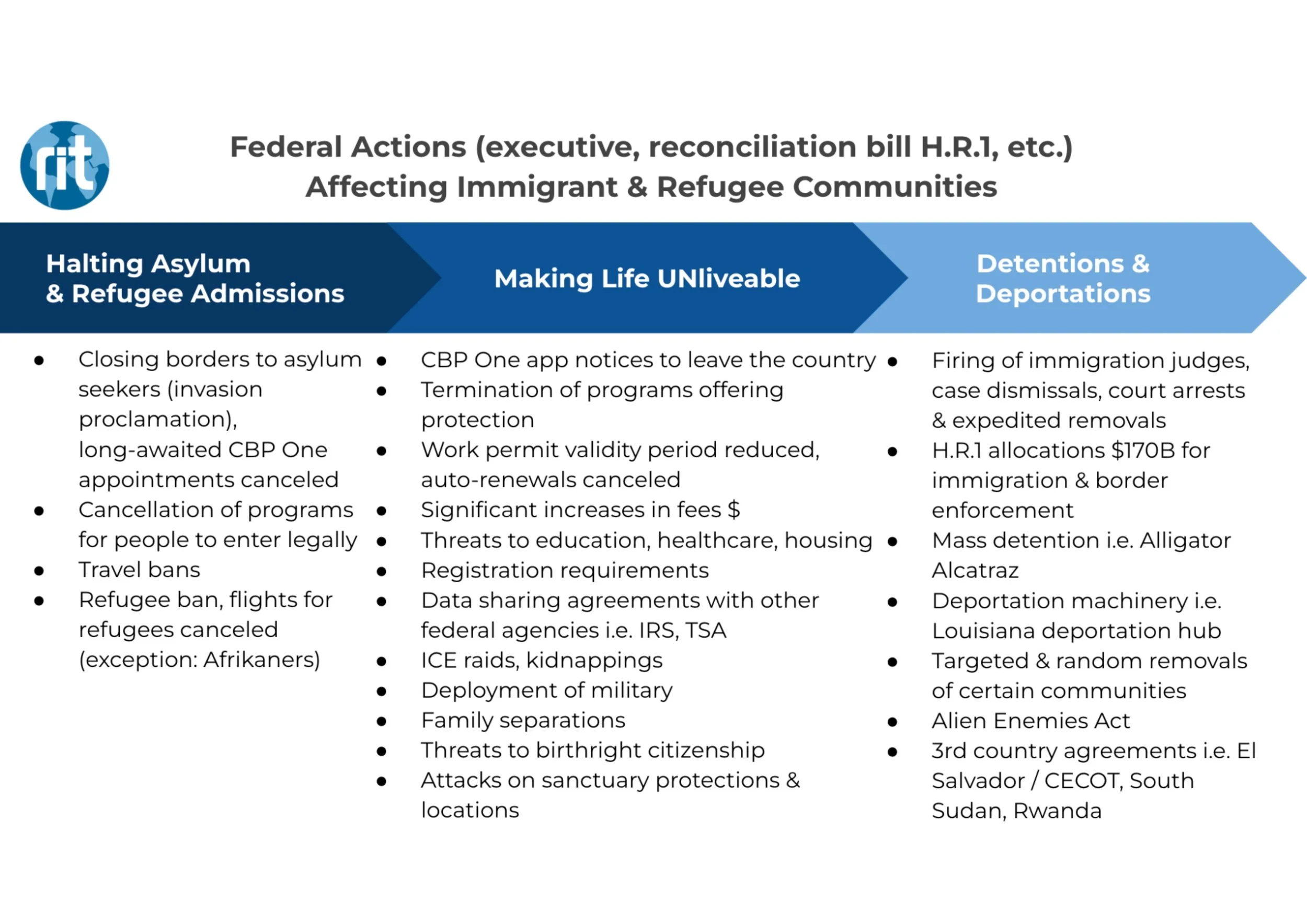
On the left, you’ll see what began on day one of Trump 2.0: Halting Asylum and Refugee Admissions (or making them incredibly challenging). On the right is what we’re witnessing in the news and in our communities: Detentions and Deportations, fueled by now 2 government budget reconciliation bills that massively fund this machinery.
What we want to draw your attention to, however, is the middle column: Making life UNliveable. Through HR1 and other actions of the federal administration, we are seeing efforts to make life so hard (i.e. UNliveable) that migrants leave the country or “self deport” to their “home countries”. But what if people don’t have a place to go “home” to, or if home is here in the U.S? What happens to community members if their lives are made unliveable… by our own federal government?
More specifically, you may already know that the federal administration changed eligibility criteria for certain noncitizens such that they no longer have access to food and healthcare benefits (CalFresh and MediCal). To access these basic life necessities and fundamental human rights, immigrants now face additional work requirements. At the same time, the federal government has reduced work permit periods, eliminated auto extensions of those work permits, and generally made work permits harder to secure, creating significant obstacles for people to work. And if one works with a permit that’s lapsed, the penalties are harsh. As a result, community members are being left with the choice of either working without a permit or not being able to work and therefore not being able to purchase food or pay rent. This “catch-22” leaves community members in a cruel limbo of UNliveability. Add to that detentions and deportations of loved ones, the loss of breadwinners, and the effects on mental health. The realities are extremely harsh, and we need to stand up for one another to change this trajectory from harm to one of liveability for all people in our communities.
Our Advocacy:
RIT’s vision is to see all newcomers thrive and become full, participating members of our shared communities. We are called to draw from our 40+ years working with diverse immigrant groups to change anti-immigrant narratives. For we know a different world at RIT, one where together, in our diverse spaces and with intentional programming, we can and do flourish. As such, RIT has expanded beyond our core services and is growing spaces of advocacy and system change.
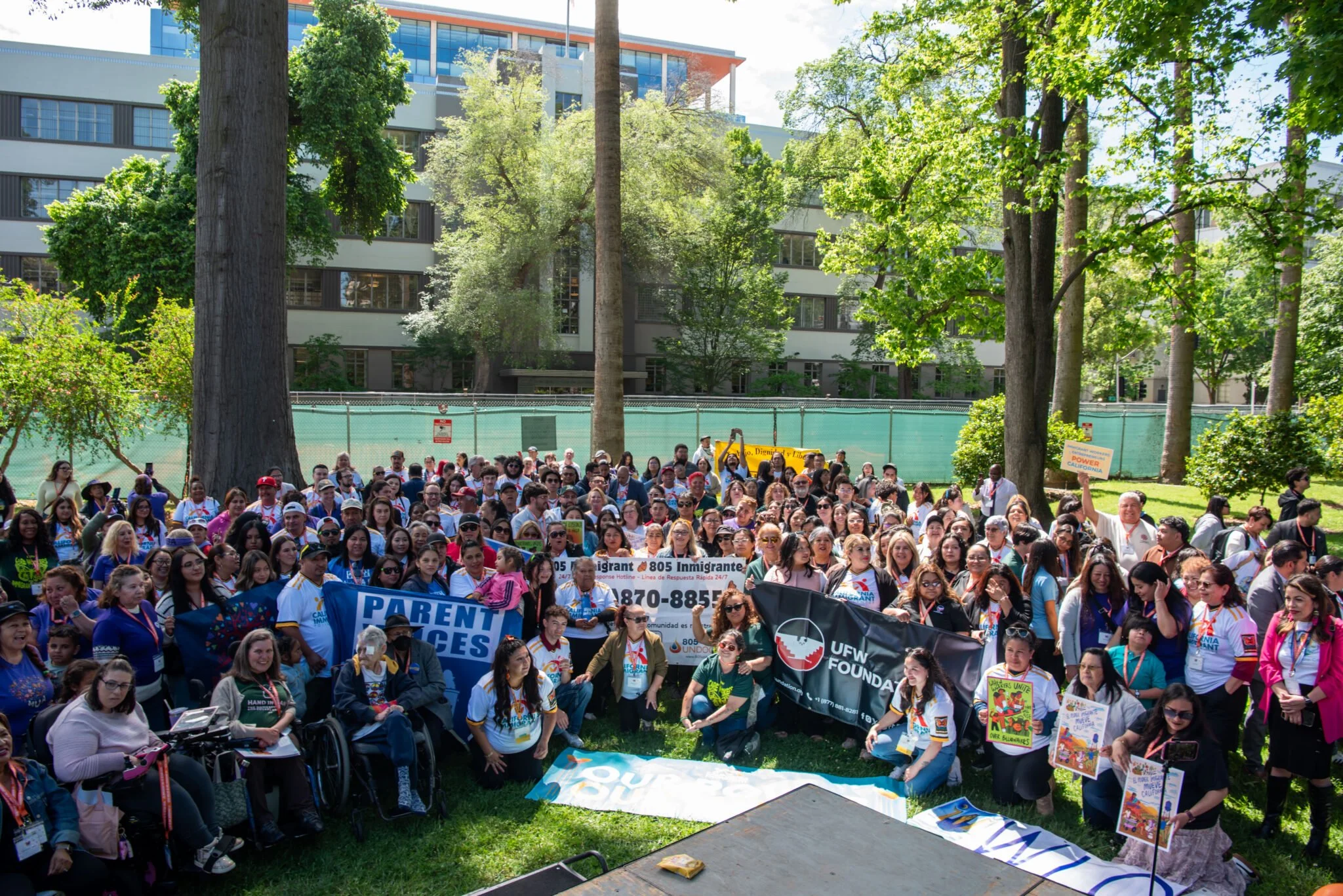
Picture from the CIPC website
We cannot do this work alone. RIT is actively engaging in multiple coalition spaces at district, community, county, and state levels to bring in community knowledges and experiences to inform future systems and policy changes. At the state level, we were excited to be at California Immigrant Policy Center’s (CIPC) Immigrant Day of Action in Sacramento last April (see pictures below) and grateful for their community leadership and policy advocacy from which we continue to learn! We are active members on the California Welcomes Coalition that successfully advocated for the California Senate and Assembly to include $12 Million in one-time funding in the 2026-2027 Budget Plan (now pending the Governor’s final approval) to restart the ESAVN (Enhanced Services for Asylees and Vulnerable Noncitizens) Program. The goal of RIT’s advocacy is to uplift and include the unique and diverse needs of all immigrant & refugee communities, including the many smaller communities not otherwise represented in formal advocacy spaces. We are thus thrilled that, if approved by the Governor, ESAVN could open up eligibility to asylees, T and U visa holders, possibly TPS holders, and other humanitarian parolees.
There is so much happening, so if you’d like to learn more about RIT’s advocacy efforts, please reach out to Jane (jane@reftrans.org).
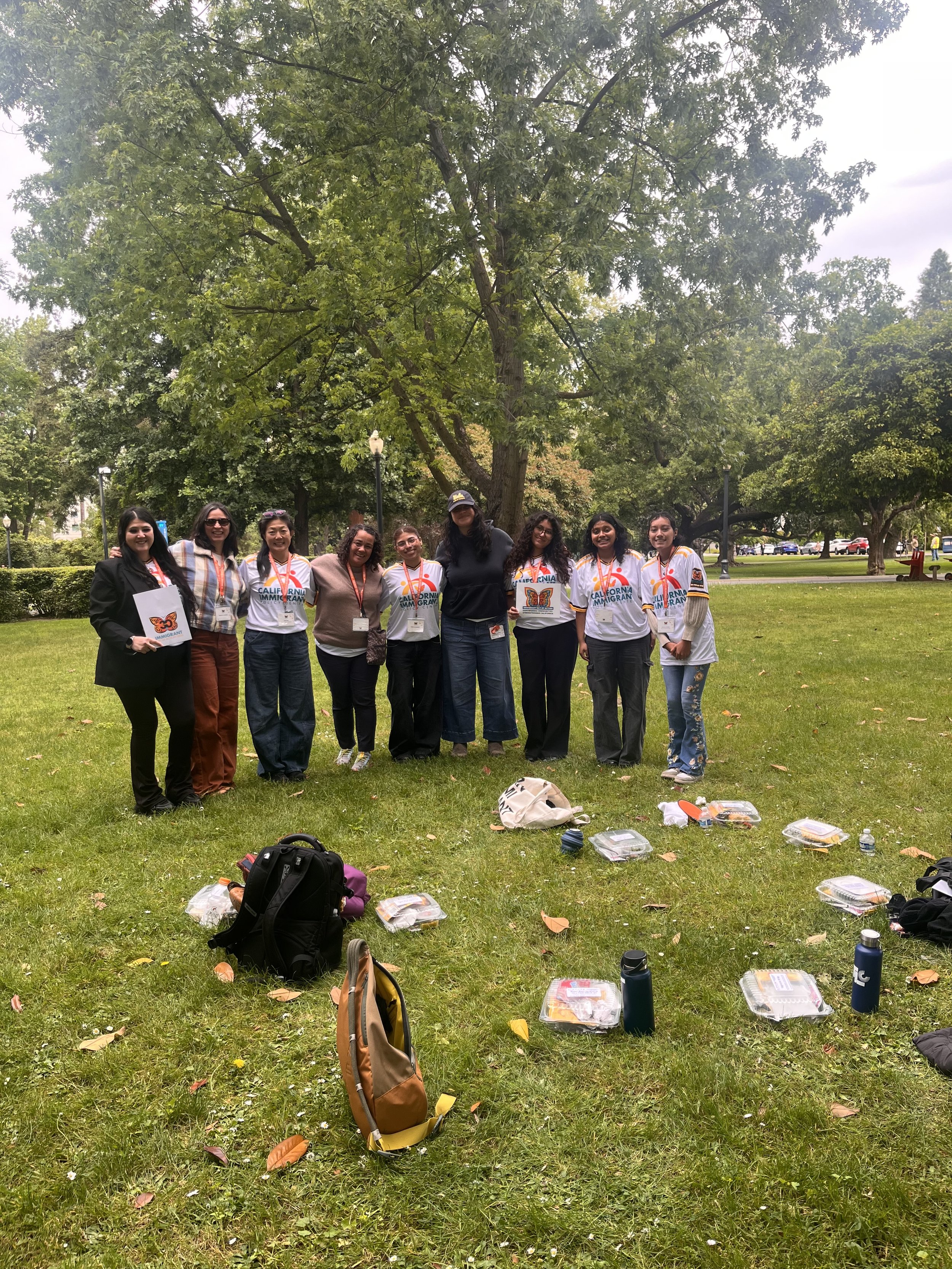
RIT Board Chair, Amy, and Co-Ed, Jane, with students from Stanford University and UC Santa Cruz at the CIPC Immigrant Advocacy Day in Sacramento in April.
Youth Voices to Change the System in the State Capital:
As a partner of Californians Together, RIT’s Assoc. Youth Program Director, Kajal Shahali, facilitated a statewide youth leadership initiative that brought together 32 immigrant youth from across California. This is part of CalNEW, a state-funded program to support newcomer students, English learners, and immigrant families.
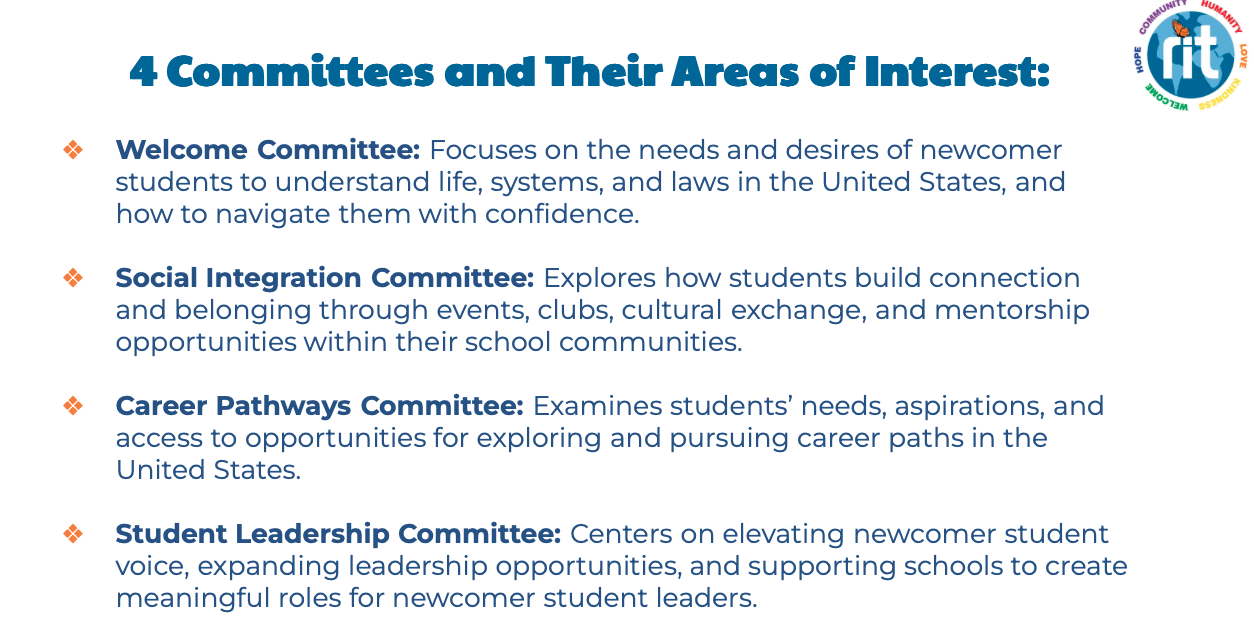
Through their work on four committees (Welcome, Social Integration, Career Pathways, and Student Leadership), students deepened their understanding of key issues impacting newcomer youth. At the same time, educators, state partners, and other stakeholders gained valuable insights from youth about the real, day-to-day experiences of newcomer students.
Based on their own newcomer experience, the Statewide Newcomer Student Council identified key challenges and proposed recommendations on how schools can address them and support immigrant communities. As a result of their presentations, the California Dept. of Education is continuing its engagement with the council by gathering their feedback on the welcome and career pathway guides they’re creating for newcomer students. Additionally, the California Department of Social Services (CDSS) is actively considering the council’s proposals and recommendations as they continue developing CalNEW guidance and policy recommendations for school districts across California.
For a system to do what it is supposed to do, it must incorporate the experiences and voices of the people it was built for. This youth leadership initiative is an example of it.
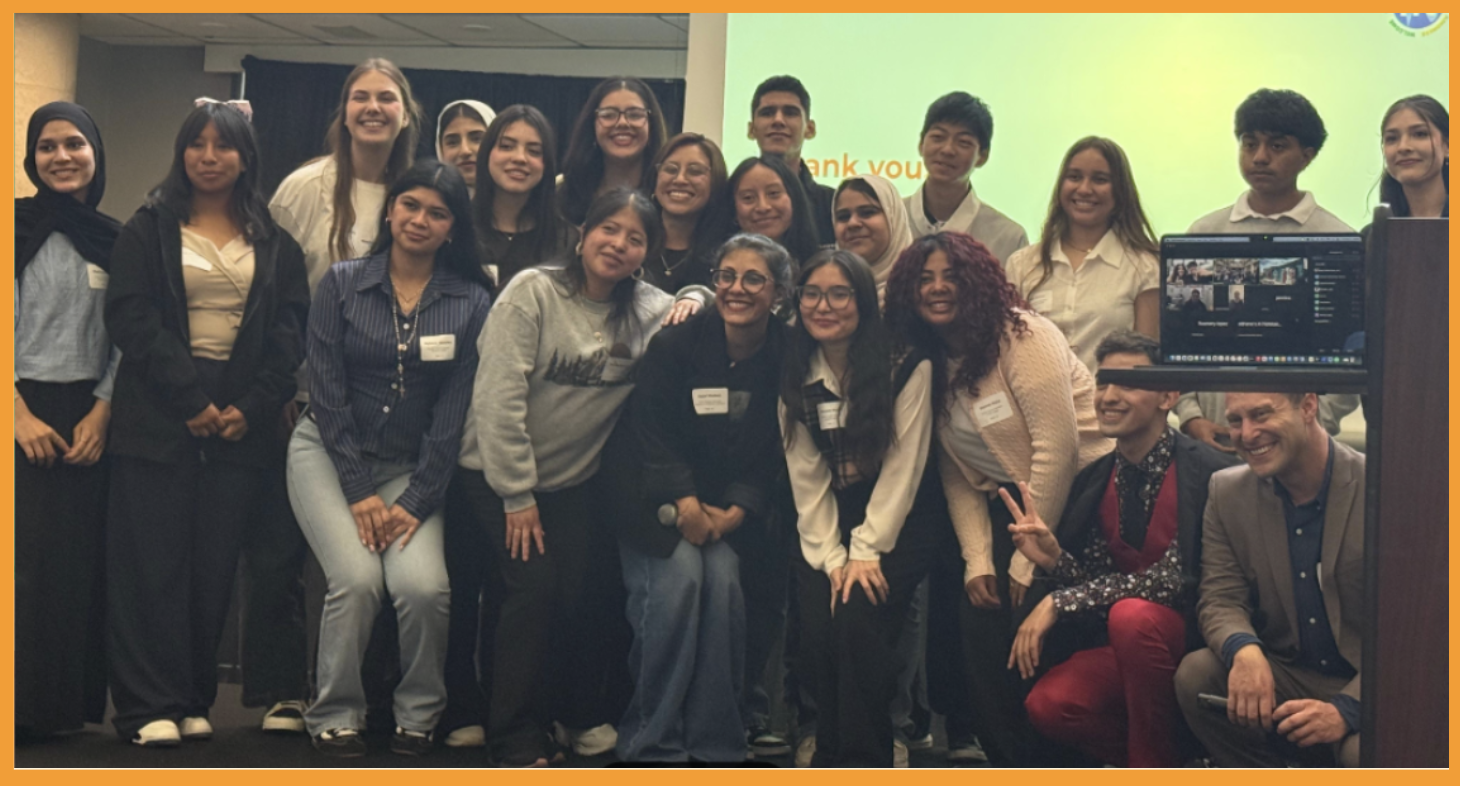
Some of the Statewide Newcomer Student Council members after their presentation in Sacramento. As part of the experience, student leaders had the opportunity to take a tour of the state capitol in Sacramento as well.
We are grateful to our community of friends, supporters, and allies for your continued care for our immigrant and refugee communities.
Upcoming event: Run For Immigrant Solidarity With RIT
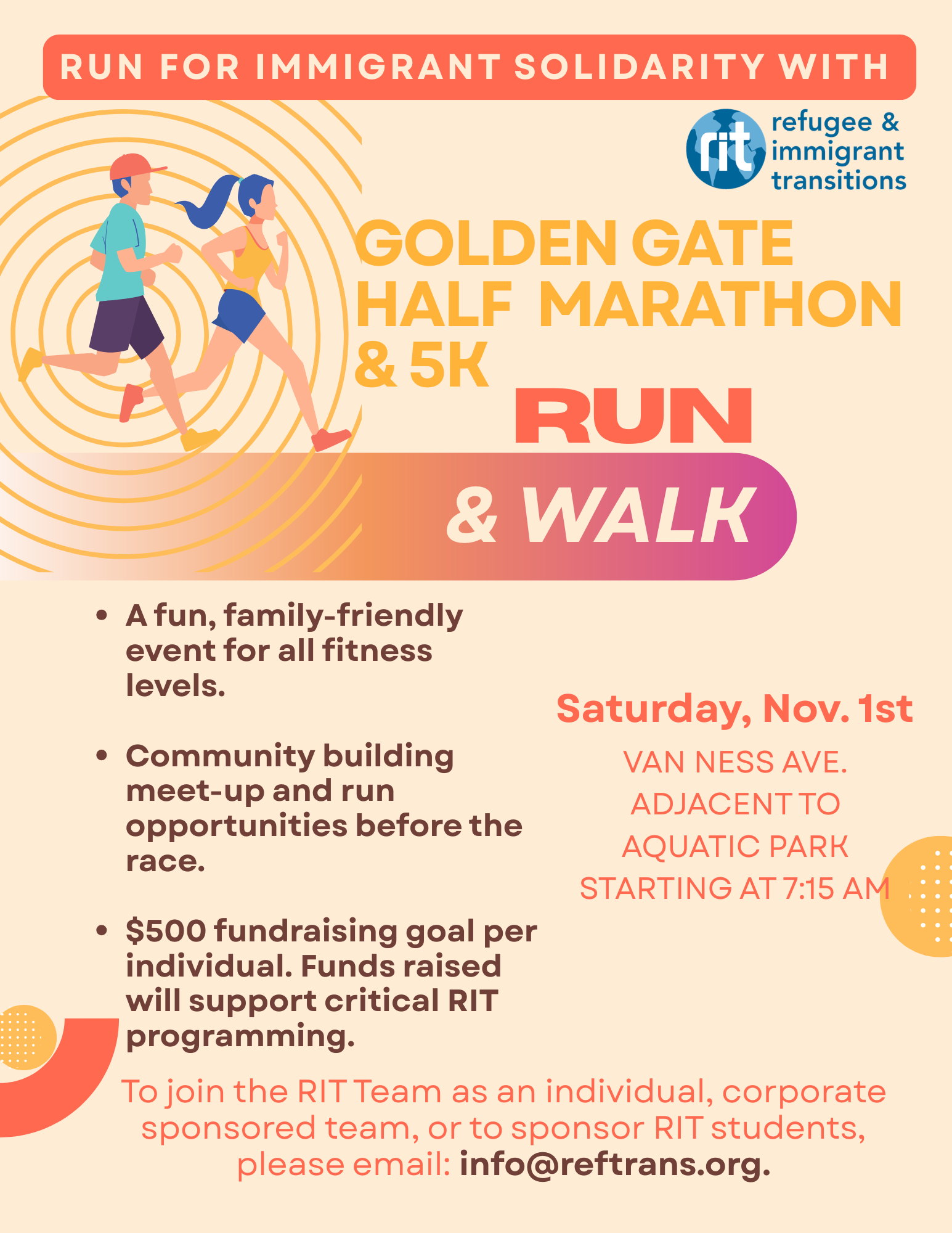
We are happy to announce that RIT is participating in the Golden Gate Half Marathon and 5K on November 1st. Last year (our first year!) was a huge success, and we hope to continue that this year, too.
All fitness levels are welcome. You can choose to run/walk the half-marathon or 5K.
Each of the participants is asked to raise a minimum of $500. The first $250 covers your registration fee. The remaining funds will support RIT's critical programming. Once you raise the minimum amount of $500, we will send you a special link to officially register for the race.
This year, we want to expand corporate team sponsorships (thanks to Nossaman for starting this last year!). We are seeking employer sponsorships. Please reach out to us if you/your company is interested.
Additionally, this year, there will be opportunities for meet-ups and runs leading up to the race.